Welcome back! Over the next several more months we invite you to return here, specifically on the fourth Thursday of each month for the newest installment of Sue Harrison‘s teaching: Writing The Third Dimension. You can read all the segments by clicking on the page title WRITING THE THIRD DIMENSION, found under Writers’ Helps & Workshops on the drop-down menu. Please feel free to ask questions and leave comments for Sue. Now for the topic for month nineteen:
********
“Writing the Third Dimension” – part 19: By Hook, Not by Crook
What do a fisherman and a writer have in common?
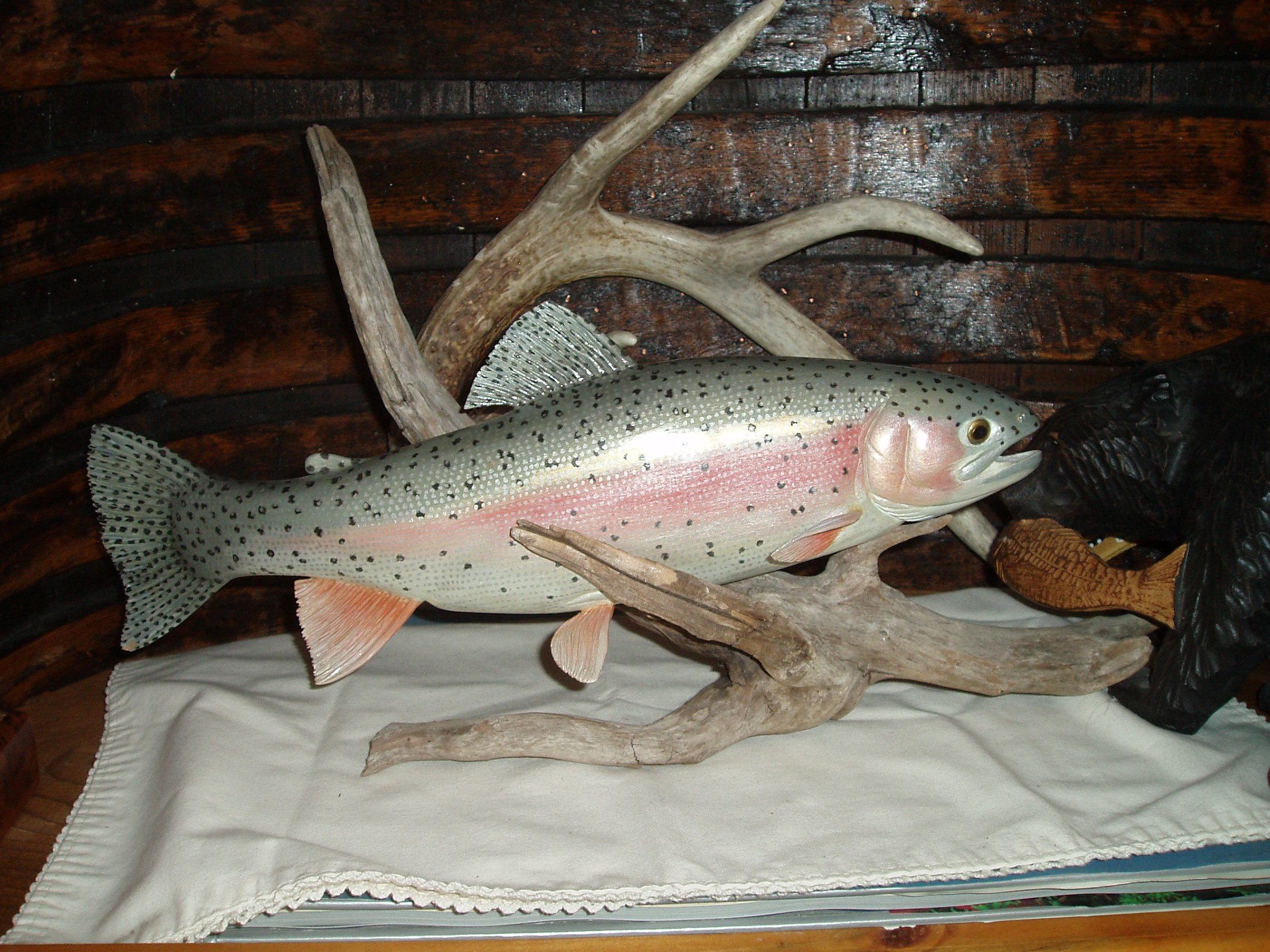
Yes, you’re right! Using a hook! How did you ever guess?
If you’ve read any how-to books about the craft of writing a novel, then you’ve read about the all-important hook — that sentence or idea which draws the reader into the story right from the first page on.
This post isn’t about that huge hook. It’s about another place within your novel that benefits when you append a hook. The end of a chapter. I’m one of those novelists who believe, that in our current reading climate, most readers prefer short chapters. I know there are exceptions, but long chapters can make a reader feel like she is listening to a long, boring diatribe.
Short chapters ramp up the tension, allow for more fluid point-of-view changes, and help the writer segue more easily into a new scene. However, shorter chapters mean more chapter endings and chapter endings can be a problem.
When I write, my goal is to pull the reader into the story and to do everything I can to keep him there. So the reader lives and breathes and sees the world as if he were the main character. Chapter endings remind the reader that he or she lives in another world. No matter how many positives exist because of a chapter break, those breaks also act like stop signs in the continuum of the story. Pop! The reader is back into real life. He or she sets down the book and goes about regular business. So you, the writer need an edge to bring him or her back as soon as possible, and that edge is the proverbial hook.
Basically, I observe two rules when I end a chapter with a hook.
1. The hook is short, contained in only a sentence or two or three.
2. The hook is honest. It doesn’t set up bogus expectations. You don’t want your reader to feel cheated. The crooked hook: “Albert caught his breath. He was staring into the golden eyes of a snarling cheetah.” The disillusionment, next chapter: “Of course, the cheetah was only a poster on the wall in Albert’s bedroom.”
I’m not at all the best hook writer in the business. I’m afraid I’m not even in the top 1000, but I own the copyrights to my novels and my works-in-progress, so rather than cite hooks from other writers’ copyrighted novels, I’ll close this post with a few examples of chapter-end hooks that I have written. I hope they’ll convey what I mean and give you some examples to draw from as you write your own hooks.
From MOTHER EARTH FATHER SKY, Chapter 25: “Then Kayugh took his daughter to the beach while the others finished burying his wife.” [The hook: If he can’t even bear to see his wife buried, how will Kayugh be able to survive his grief?]
From CRY OF THE WIND, Chapter 41: “‘River Ice Dancer,’ she said, holding out her hand, ‘you are cold, and my bed is very warm.’” [The hook: Will River Ice Dancer fall into the wily hands of the temptress K’os?]
From BONE FIRE (work-in-progress), Chapter 3: “If Rose wasn’t still pregnant when they got there, the Spirit-caller wouldn’t take her in trade. Then what would Villr do? Watch his own daughter die?” [The hook: Why would his daughter die? What are Villr’s horrible plans for the main character Rose?]
Remember, you want to draw your reader back to your novel, even after the disruption of a chapter break. A small hook will do, a tease that will make your reader want to stay in the story. Be quick. Be honest.
Strength to your pen!
Sue
*Writing the Third Dimension, copyright, 2010 Sue Harrison*
 Bestselling author, Sue Harrison, has written two Alaska trilogies: The Ivory Carver Trilogy and The Storyteller Trilogy, and a middle readers’ book SISU. Prior to the publication of her novels, Harrison was employed at Lake Superior State University as a writer and acting director of the Public Relations Department and as an adjunct instructor in creative writing and advanced creative writing. For more information, click here. To inquire about booking Sue for workshops or speaking engagements this year, click here.
Thanks for joining us! Please feel free to leave your questions and comments. We invite you to come back September 25, 2014, for part 20.

 Polilla Writes